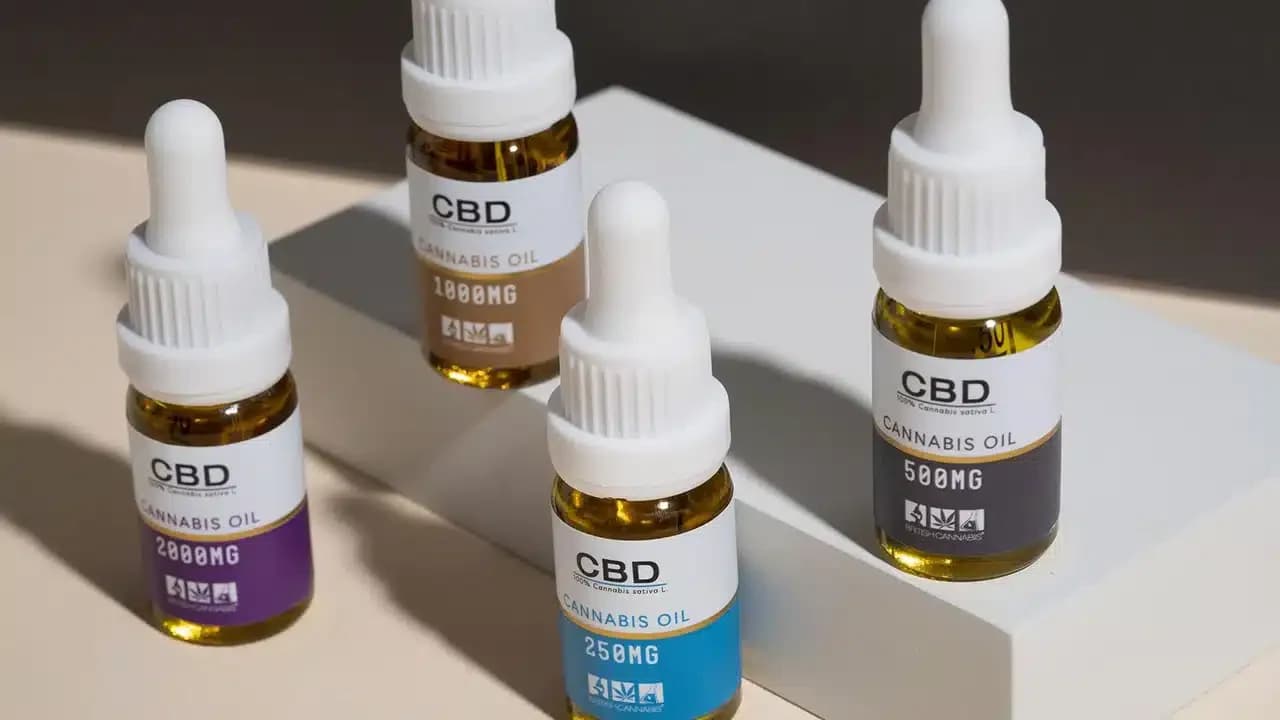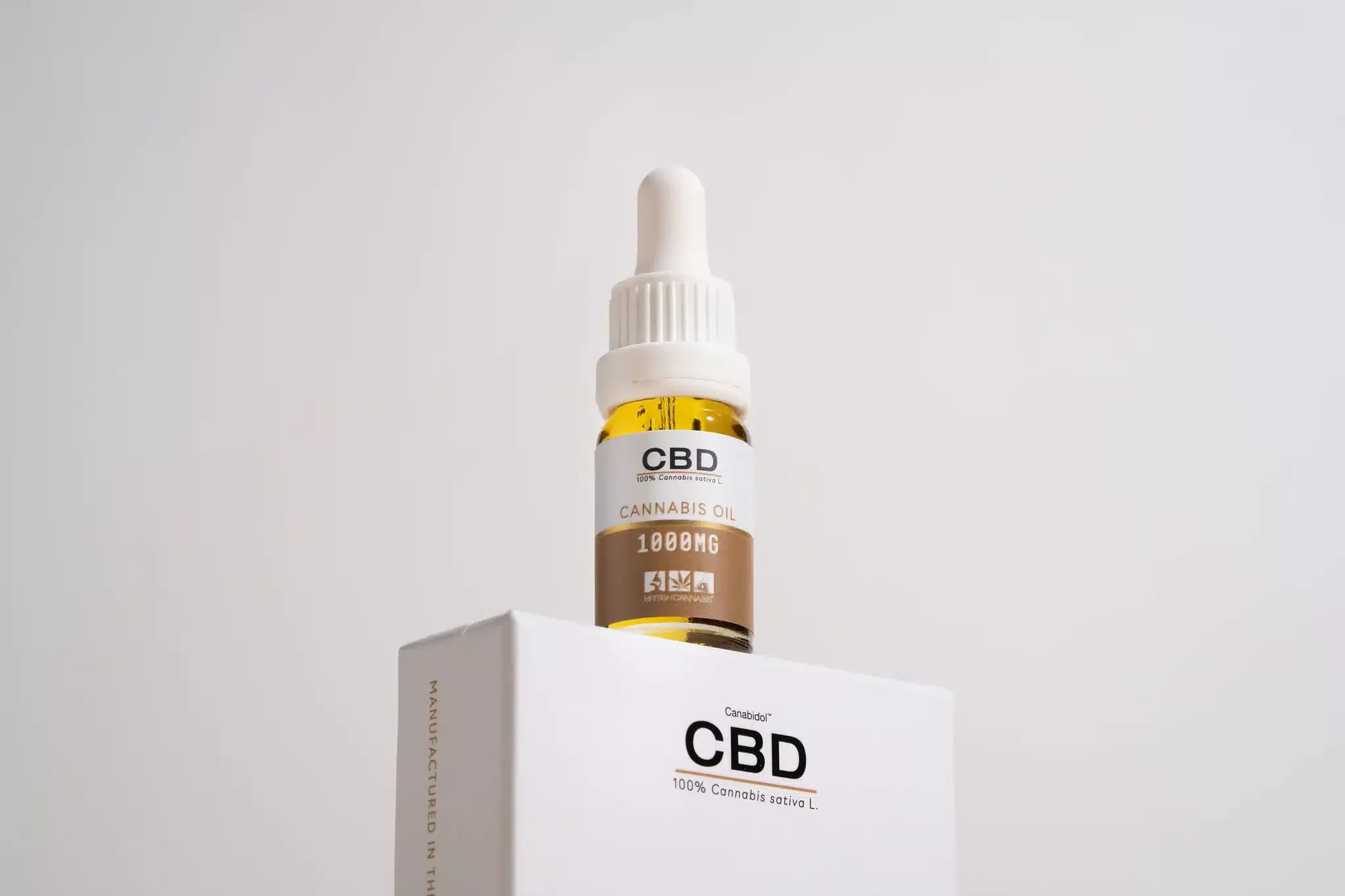
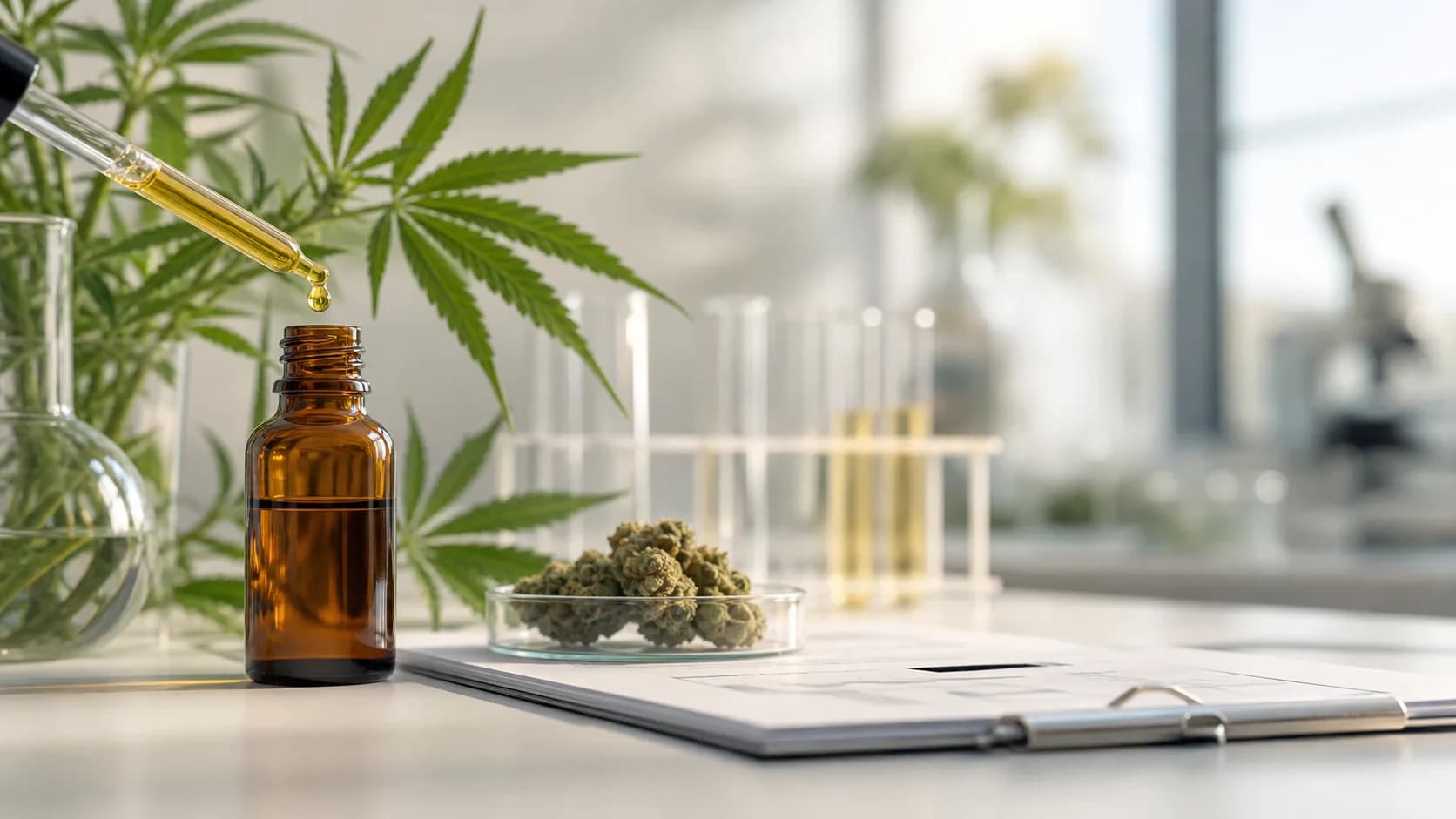
CBD — short for cannabidiol — is one of more than a hundred naturally occurring compounds found in Cannabis sativa L. It is not intoxicating, which is the single most important thing to understand about it and the thing most often confused in press coverage.
Where CBD comes from
Cannabidiol occurs throughout the aerial parts of the cannabis plant. Commercial extraction takes the whole plant material and separates the compounds of interest from the plant fats, waxes and chlorophyll that come with them. What happens next is what separates one product from another on the shelf.
Some manufacturers buy in isolate — a white crystalline powder that is close to pure cannabidiol — and blend it into a carrier oil. Others, including CBD by BRITISH CANNABIS™, work from 100% cannabis extract, so the finished product carries the wider profile of compounds the plant produced rather than a single isolated molecule reintroduced to oil.
CBD is not THC
THC (tetrahydrocannabinol) is the compound responsible for the intoxicating effect associated with recreational cannabis. CBD is a different molecule with a different profile, and consumer CBD products sold legally in the UK must contain only trace amounts of controlled cannabinoids. Every batch we manufacture is tested by an independent laboratory to confirm this before it is released for sale.
How CBD is regulated in the UK
Ingestible CBD products in Great Britain are regulated as novel foods. That means a product must sit on the Food Standards Agency's public list, backed by a validated application, in order to be sold legally. It is a genuine barrier to entry, and it is worth checking before you buy from any brand.
Products applied to the skin, such as our rescue cream, are regulated as cosmetics instead and follow a separate framework.
What forms does it come in?
- Oils — taken under the tongue, the most common format and the easiest to adjust.
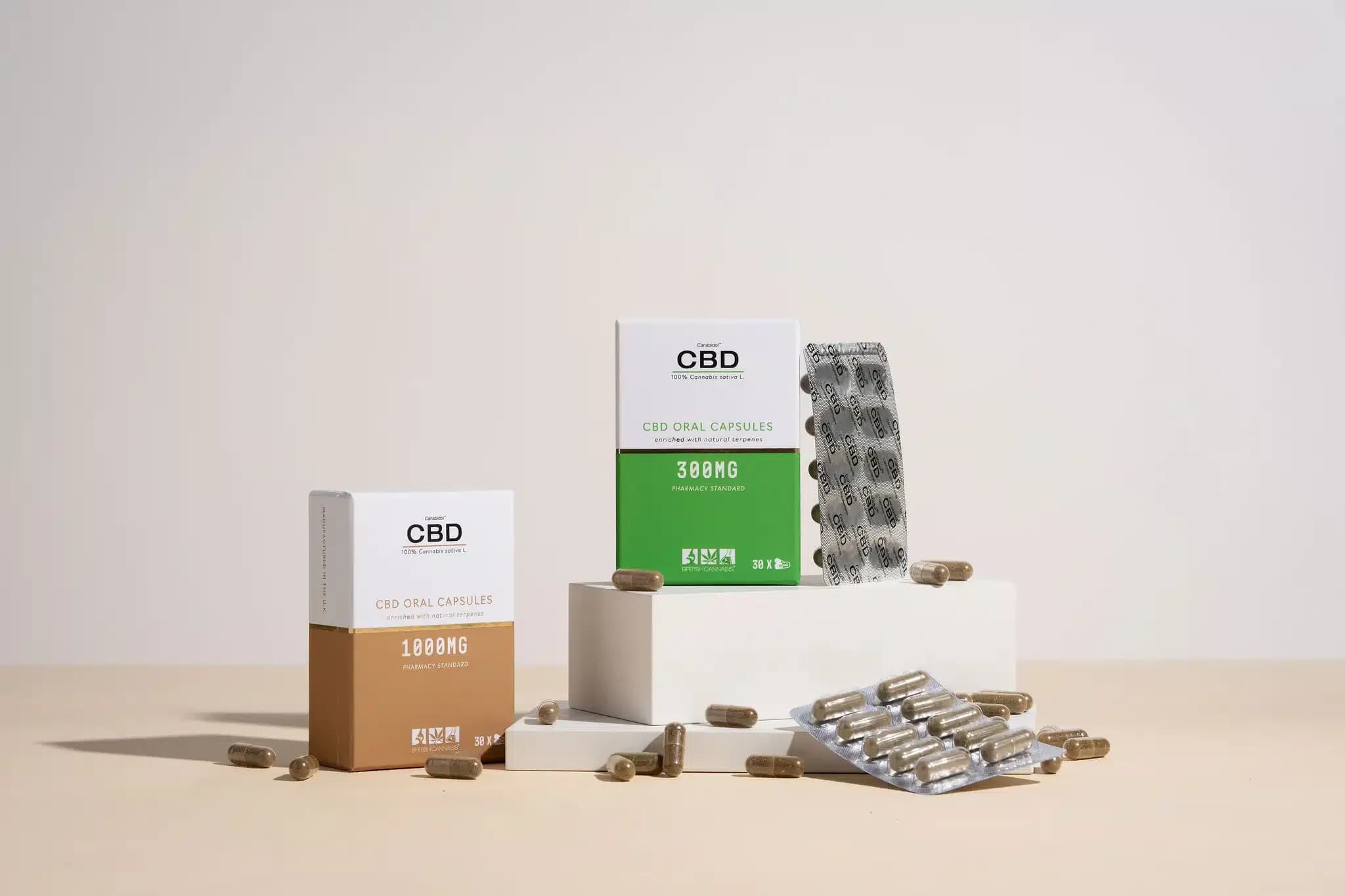
- Capsules — a fixed, measured amount with no taste.
- Creams — applied to the skin as a cosmetic.
- Dermal patches — a discreet option worn on the skin.
Reading a lab report
A certificate of analysis tells you what is actually in the bottle. Look for the batch number matching the one on your packaging, the measured cannabinoid content against what the label claims, and confirmation that controlled cannabinoids fall below the legal threshold. If a brand will not publish these, that tells you something.
TODO(content): the full 1,300+ word version of this guide will be authored in WordPress and pulled through WPGraphQL. This scaffold body exists to exercise the template only.